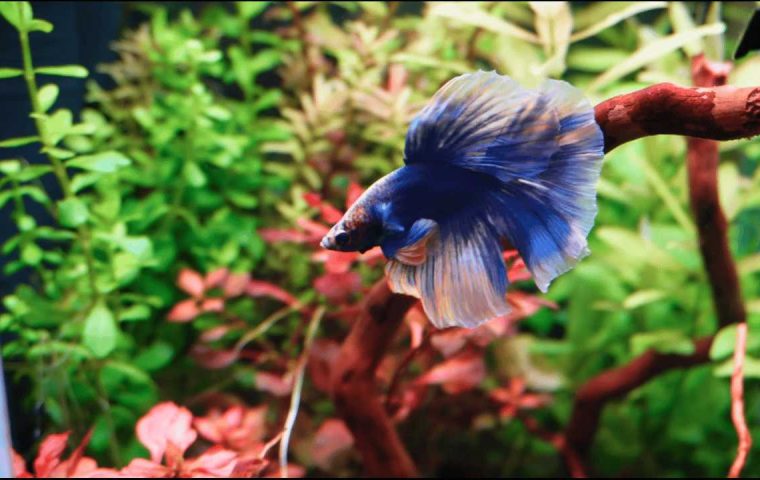
How to Set Up a Freshwater Aquarium for Beginners
How to Set Up a Freshwater Aquarium for Beginners To start a freshwater aquarium for beginners, begin with selecting an appropriate tank size and then placing the aquarium…
Read Full Guide
Search Aquarium Guides
Aquarium Care Made Simple
Stardexa simplifies the process of fishkeeping through practical guides that focus on healthy fish, stable water, and proper tank maintenance. You will find informative answers to questions related to freshwater tank setup, taking care of fish and water quality, filtration, tank cycling, feeding, aquarium plants, algae control, equipment, and upkeep of fish tanks. Whether you are starting your aquarium or trying to improve an existing one, Stardexa helps you figure out what your aquarium requires.
Browse by Topic
Aquarium information is categorized by the problem you are experiencing or the skill you want to acquire. Stardexa offers guides on topics such as basic aquarium setup, freshwater fish care, aquarium water chemistry, filtration, fish health, compatible tank mates, planted aquarium, algae control, feeding, cleaning, and equipment. Each guide provides easy-to-follow steps and clear explanations in order for you to make the right choice and not guess what to do when it comes to caring for your fish and aquarium.
Having a good reason for every decision makes it easier to start an aquarium. The series of guides for people…
Explore TopicsWater plants add movement and texture to the freshwater aquarium and, overall, create a perfect sense of balance. Be it…
Explore TopicsFunctioning aquariums require sufficient water movement, gas exchange, and the correct equipment for the needs of the tank. The practical…
Explore TopicsThe use of a reliable filtration system is essential for the maintenance of the water quality as well as helping…
Explore TopicsStart with the Essentials
Your first aquarium should be set up in advance of you putting fish in the water. You will need to do some research on the species that you wish to keep—their adult size, behavior, acceptable temperature, social life, and compatible tank mates. You will have to select the right size aquarium, put it on a solid and even surface, set up proper filtration and heating, prepare tap water, and set up the aquarium cycle. You will also have to test the water and gradually introduce the fish.
How to Set Up a Freshwater Aquarium for Beginners To start a freshwater aquarium for beginners, begin with selecting an appropriate tank size and then placing the aquarium…
Read Full GuideFresh Aquarium Advice
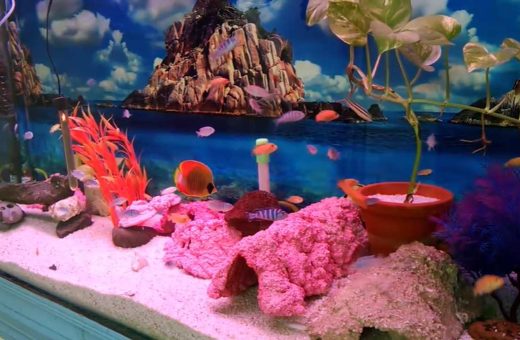
It is very important to make a plan well in advance before buying aquarium fish for a beginner.…
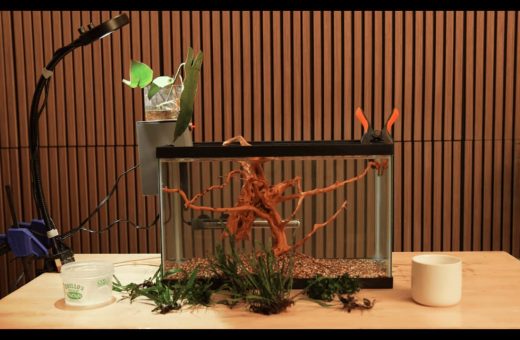
My Standard for a Beginner Aquarium Kit In my opinion, aquarium kits should be judged according to their…
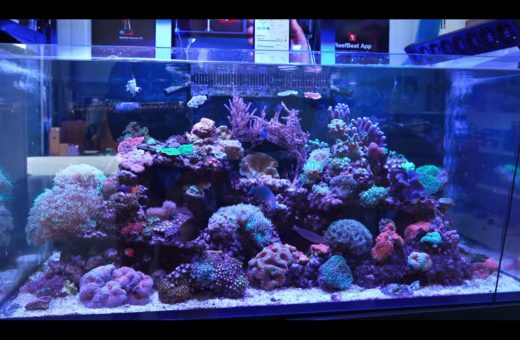
I recommend a fish-only-with-rock or basic reef setup to all first-timers rather than jumping into complicated reef aquariums…
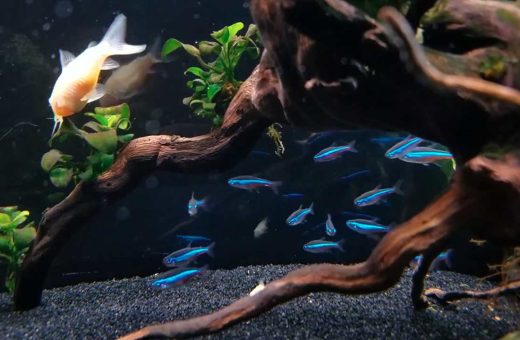
An aquarium for a novice is not just a glass container full of water for me, but a…
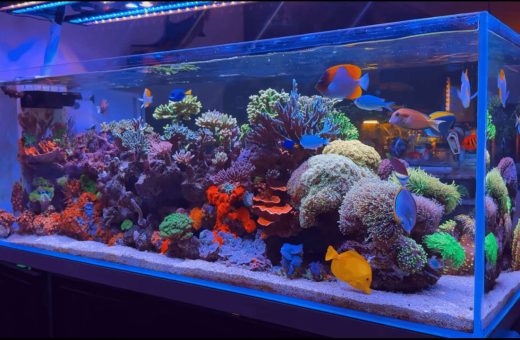
The best corals for beginners have species that allow for making some mistakes during your learning process. They…
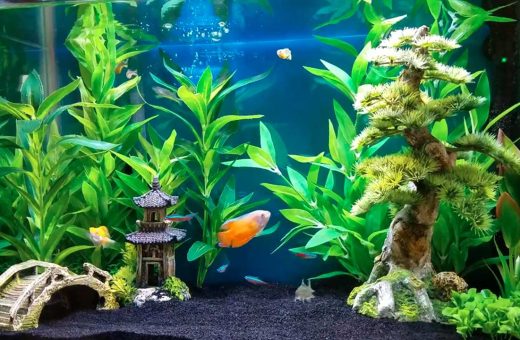
For beginners, Anubias, Java fern, Java moss, Cryptocoryne wendtii, Amazon sword, Vallisneria, hornwort, water wisteria, Bacopa caroliniana, and…
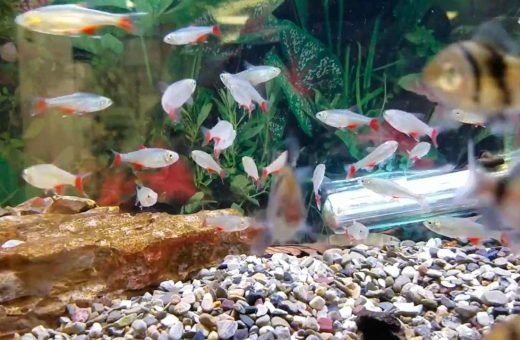
For a novice fish keeper, it is usually better to start with hardy freshwater fish species rather than…
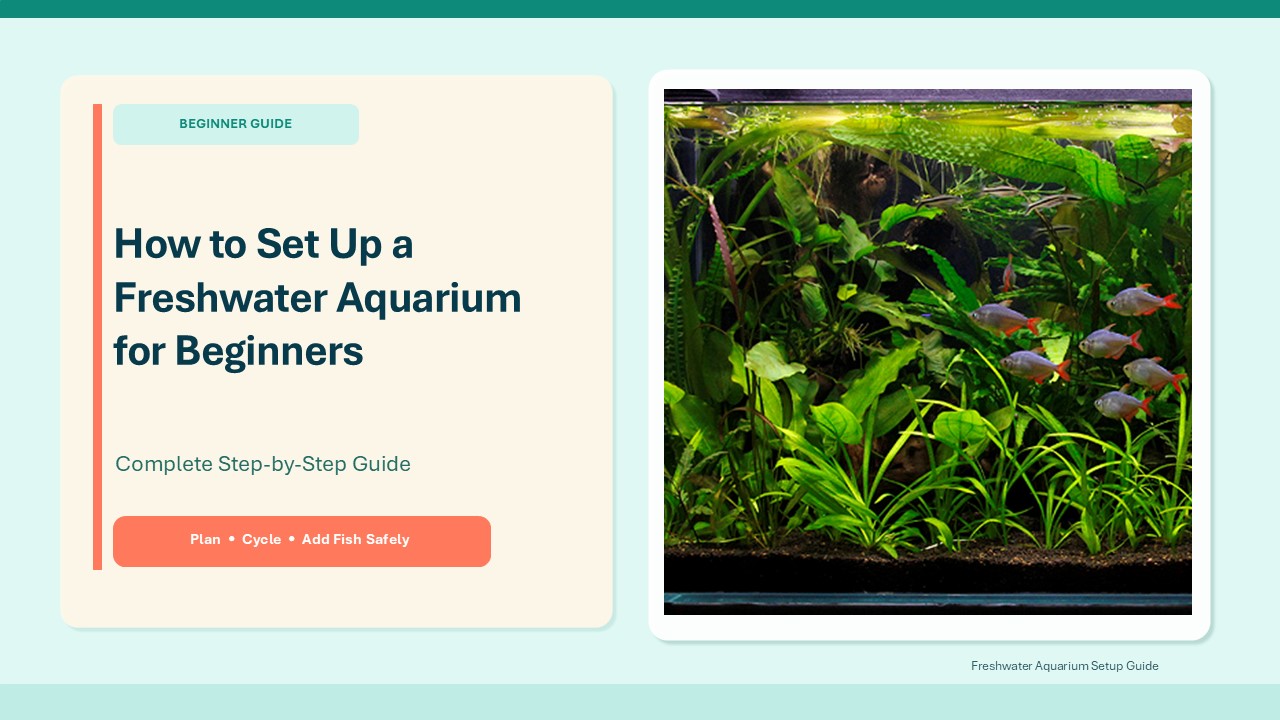
This article teaches beginners how to set up a new aquarium in the correct order. From selecting a…
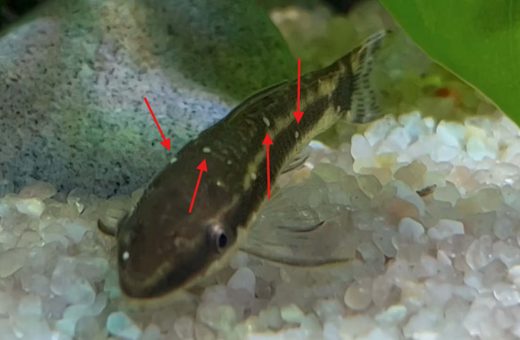
Ich Fish Treatment at a Glance Effective Ich treatment includes not only proper Ich medicine but also constant…
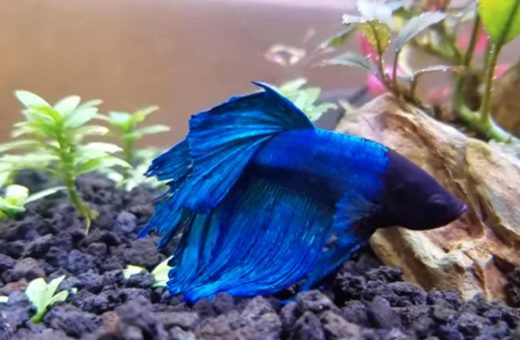
Fin rot is an ailment that affects fish and leads to their frayed, damaged, discolored, or shortened fins.…
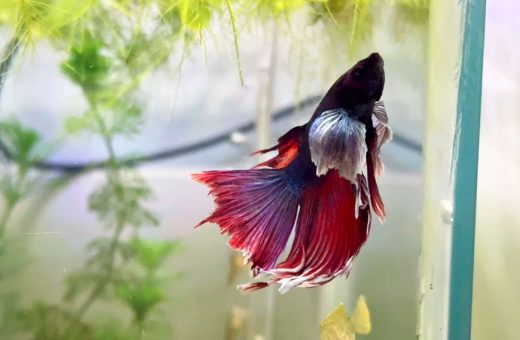
Dropsy Fish Treatment at a Glance First actions in dropsy fish treatment include testing of the tank water,…
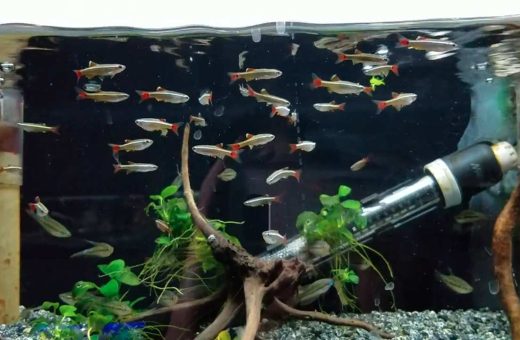
The best fish tank setup for beginners The first aquarium for any beginning aquarist is preferably a 20-gallon…
Beginner Path
First, choose an appropriate aquarium depending on the type of fish you want to maintain. Before you set up your aquarium, check the desired fish size, any special needs it may have, and whether it is compatible with other species. Then, place the aquarium on stable and firm ground before filling it with washed substrate and aqua-safe decorations and filtering equipment, thermometer, lights, and heater if needed. Finally, fill the tank with water and check that the equipment is properly functioning.
In the next step, set up the nitrogen cycle in your aquarium, making sure to regularly check the water for nitrite, ammonia, nitrate, and pH levels. A right cycle ensures the aquarium water has 0 ppm ammonia level and 0 ppm nitrite level before the fish are put into the aquarium. Afterward, you should monitor the water quality and make changes if necessary.
Quick answers
Stardexa is an aquarium info site that aims to simplify the process of keeping freshwater fish. It includes practical instructions related to aquarium installation, fish care, monitoring of water quality, filtering systems, tank cycling, maintenance of the aquarium, aquatic plants, and health of fish.
Stardexa provides information regarding several significant areas in aquaristics that beginners usually need in order to understand fish tank set up as well as fish feeding, keeping, and numerous aquarium filtering techniques and tricks, the nitrogen cycling process, and the aquarium cleaning process.
The answer to this question is yes. People sometimes refer to the product by typing in the name “Star Dexa.” However, Stardexa is the correct name for this product. The results of searching for the phrases "Stardexa aquarium," "Star Dexa aquarium," "Stardexa fish care," and "Stardexa aquarium guide" are the same: aquarium information resource.
Yes, it is. The information we provide on the website features a beginner-oriented fishkeeping guide and includes all information regarding fish tanks, cycling of fish tanks, water testing, filtration, food for the fish, and other topics.
Yes, it does. The website is focused on the freshwater care of the tank and covers many aspects of fishkeeping, including information about freshwater fishes, the process of setting the aquarium, and the maintenance of the water.
The company employs experts who have many years of experience in the aquarium world who know almost everything there is to know about fishkeeping, aquarium maintenance, water quality, setting up tanks, and all other relevant matters in this area. With their knowledge, Stardexa manages to create guides for aquarium owners with different levels of experience.
Yes, Stardexa has a lot of aquarium experts who have extensive backgrounds in dealing with aquariums and fishkeeping. These experts help Stardexa understand how to write on aquarium care topics like fish health, tank maintenance, water conditions, and other top topics.
Yes, we allow aquarium lovers to find all kinds of information on aquariums in one place. The aim of Stardexa is to explain aquarium-related matters plainly and straightforwardly without complicating this information.
Stardexa incorporates group knowledge of aquariums with practical information geared towards readers. We discuss a variety of facets regarding aquariums instead of focusing on only one aspect in the world of fishkeeping, thus giving the audience a chance to learn about various topics not limited to simply aquarium settings and fish types.
Definitely, although most of Stardexa’s guides are written in such a way that they will be understandable to a novice, it doesn’t mean that our content is only meant for novice fishkeepers. Experienced fishkeepers will be able to get information about managing water in an aquarium, filtration, the overall health of fish, the compatibility of fish, planted tanks, aquarium equipment; maintenance; and various complex aspects of aquaristics.
Yes. Stardexa provides various information related to fish care that can be of great help to the readers to learn everything about the particular fish to take care of them. The guides provide all the information that a person would like to know about different species before buying and information about the fish already taken care of by the owner.
Of course! Aquarium setup as well as maintenance are vital components of the Stardexa’s information base. Our fish care materials contain guidelines on many subjects, including the choice of a tank, preparing an aquarium, the filter, aquarium water cycling, testing, cleaning of an aquarium, feeding techniques, and other topics in order to facilitate understanding of all the processes required for proper maintenance of a fish aquarium.
Indeed, Stardexa offers a variety of educational materials that talk about the quality of aquarium water, parameters of water, filtration, biological cycling, and testing, as well as other related issues about aquarium care that our clients can benefit from using.
Indeed, we offer more information than just basic fish tank setup. The topics mentioned in our aquarium guides include aquatic plants, lighting, filters, heaters, substrates, aquarium devices, fish health, feeding, compatibility, algae, maintenance, and more.
The Stardexa aquarium team has the goal of making correct information about aquariums easier to find and use. By way of putting together many years of aquarium experience and clear educational content, we want to create a good source for those who are searching for smart aquarium guides, fish-care information, tips on setting up a fish tank, advice regarding water quality, help with maintenance, and other information connected to aquariums.
Tank Calculator
It's important to know the volume of water in your aquarium for planning, choosing equipment, treating water, and maintenance. To calculate the volume for a rectangular aquarium using the internal measurements in inches, you need to multiply the length and width by the depth of the tank and divide that by 231. When you are measuring in centimeters, calculate length times width times the depth of water and divide the product by 1,000.
This value gives you an estimated water volume, which may differ from the actual water volume contained in your tank. Structure, rocks, driftwood, decorations, equipment, thickness of glass, and the free space above the water line affect the actual water volume. For a better estimation, measure the tank's internal dimensions and the real water level.
Enter your subscribed email. We will send a 6-digit code to log you in.
New here?
Add your name and email. We will send a verification code before creating your subscriber profile.
Already subscribed?
Profile
Choose what notifications you want to receive from this website.
Your logged-in subscriber comments are connected with your saved profile.
Update your name, profile image, bio, or account status.
No comments yet. After you submit a comment while logged in, it will appear here.